
Chemical peels gently exfoliate the skin to reveal a brighter, smoother, and more radiant complexion while helping to improve concerns such as pigmentation, acne, fine lines, and uneven skin texture.
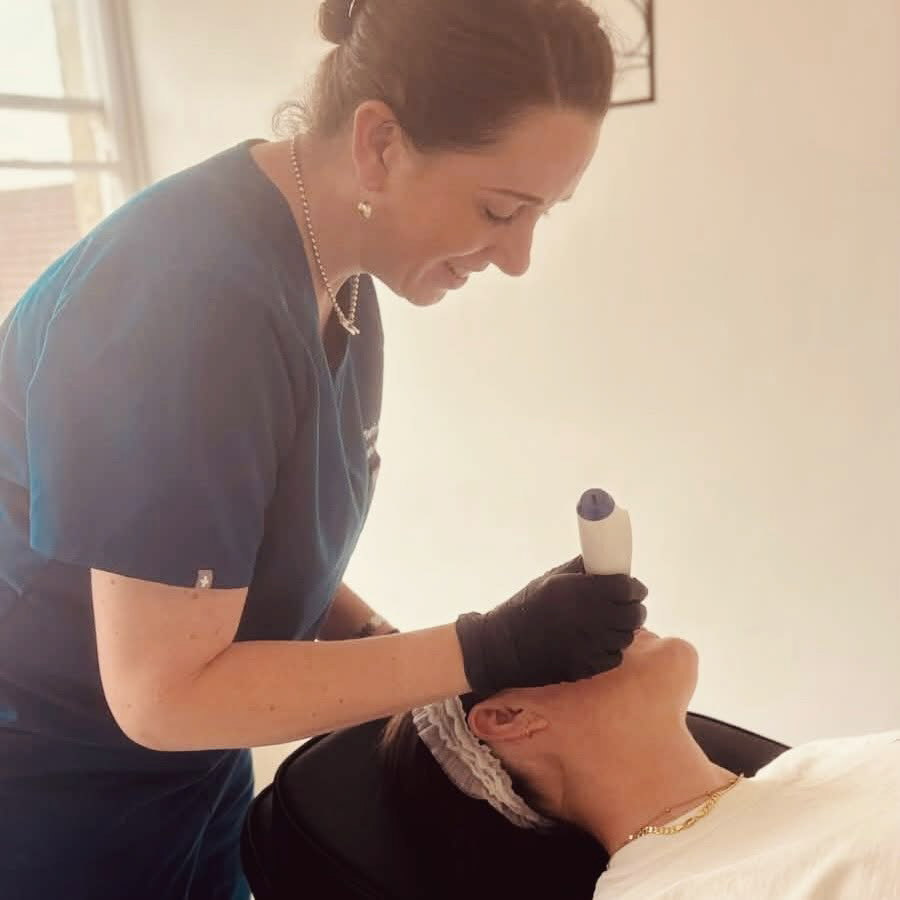
Microneedling, also known as collagen induction therapy, is a minimally invasive skin rejuvenation treatment designed to improve the appearance, texture, and overall health of your skin.
Using a device containing fine, sterile needles, controlled micro-channels are created within the skin. These tiny injuries stimulate the body's natural healing response, encouraging the production of collagen and elastin – the essential building blocks responsible for firm, smooth, youthful-looking skin.
Single treatment £175
Course of 3 £495
Maintenance peel £165 (3-6 months)
Recommended course of treatment, 3 microneedling sessions 4 weeks apart
Mesotherapy product used - FillMed NCTF 135 HA
Further Info
Treatment: 30 - 60 mins
Discomfort level: Mild - Moderate according to depth and tollerance
Recovery time: 24 - 48 hours
Full Results: Improvements seen after 1 week
but full results seen after several months
Duration of results: 6 months
What Is Microneedling?
Microneedling, also known as collagen induction therapy, is a minimally invasive skin rejuvenation treatment designed to improve the appearance, texture, and overall health of your skin.
Using a device containing fine, sterile needles, controlled micro-channels are created within the skin. These tiny injuries stimulate the body's natural healing response, encouraging the production of collagen and elastin – the essential building blocks responsible for firm, smooth, youthful-looking skin.
Microneedling is a versatile treatment suitable for a wide range of skin concerns and can be tailored to your individual needs.
What Can Microneedling Treat?
Microneedling may help improve:
Fine lines and wrinkles
Acne scarring
Surgical and traumatic scars
Enlarged pores
Uneven skin texture
Sun damage
Hyperpigmentation
Dull or tired-looking skin
Loss of skin firmness and elasticity
Stretch marks
How Does Microneedling Work?
Microneedling works by triggering the skin's natural repair process. The controlled micro-injuries stimulate the production of new collagen and elastin, resulting in healthier, stronger, and more resilient skin over time.
The treatment also enhances the absorption of professional skincare products applied during the procedure, helping to maximise results.
What Happens During Treatment?
Your appointment will begin with a thorough consultation to assess your skin and discuss your treatment goals.
The treatment area is cleansed and prepared before the microneedling device is passed across the skin in a controlled manner. Most clients describe the sensation as mildly uncomfortable rather than painful.
Depending on the area being treated, the procedure typically takes around 30 - 60 minutes.
What Results Can I Expect?
Many clients notice their skin appears brighter and more refreshed within the first week following treatment.
However, collagen production takes time, and the most significant improvements develop gradually over several weeks and months as the skin continues to repair and regenerate.
Results vary between individuals and depend on factors such as age, skin condition, lifestyle, and adherence to aftercare advice. Due to these factors, exact results cannot be guaranteed.
How Many Treatments Will I Need?
For general skin rejuvenation, a course of 3–6 treatments is often recommended.
For concerns such as acne scarring or deeper lines and wrinkles, additional sessions may be required to achieve optimal results.
Treatments are typically spaced 4–6 weeks apart to allow the skin sufficient time to heal and regenerate.
A personalised treatment plan will be discussed during your consultation.
Is There Any Downtime?
Microneedling requires minimal downtime.
Following treatment, your skin may appear red and feel warm, similar to mild sunburn. Some clients experience slight swelling, dryness, or tightness for a few days.
Most visible redness settles within 24–48 hours, although healing times vary.